
360degree arrowdown arrowdownlight arrowleft arrowleftlight arrowright arrowrightlight arrow_top arrowup arrowuplight check circle circlefull close GlobalNetwork data down external facebook facts filter Group_Outline group Hamburger Icon for navigation toggling head_with_aircraft instagram left linkedin Manufacturing MarketLeader minus person plane plus right Save-Savings search InterestRate Stellplatz-Rad stock ComponentRepair twitter up xing youtube
CUSTOMIZED
跳转

SinoHawk Testing Equipment

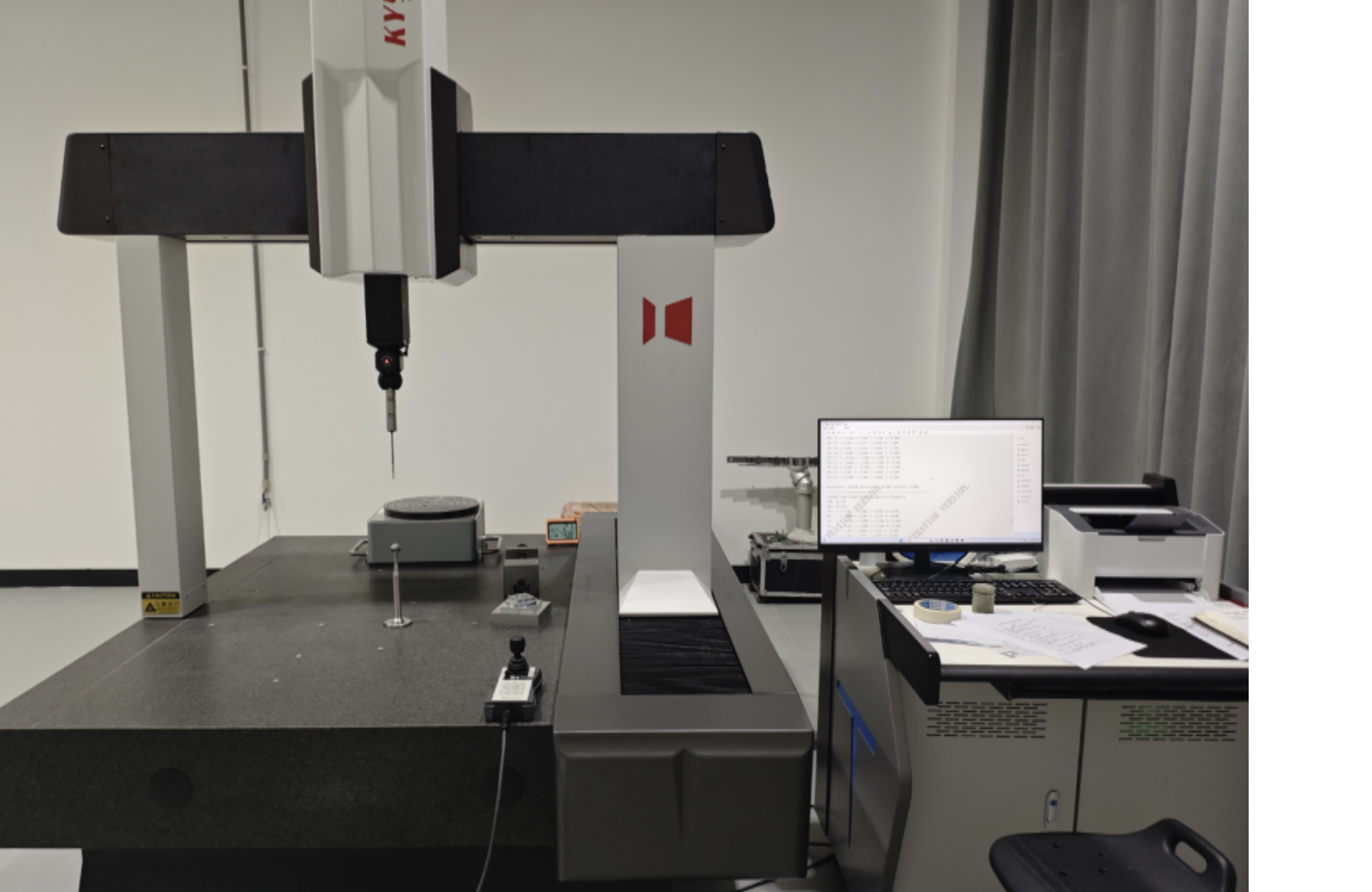
Three coordinate measuring equipment

Coordinate Measuring Machine (CMM) is a high-precision geometric measurement instrument that obtains three-dimensional coordinate data by contacting the surface of a workpiece with a probe, and detects dimensional, shape, and positional tolerances. It mainly consists of mechanical structure, probe system, control system, and software, and is divided into bridge type, cantilever type, gantry type, and other types. Its accuracy can reach micrometer level, widely used in fields such as mechanical manufacturing, automotive, aerospace, etc., to achieve fast and accurate detection of complex parts and ensure product quality. Modern CMM also supports optical scanning and non-contact measurement, compatible with CAD model comparison, and is one of the core equipment for intelligent manufacturing and quality control.


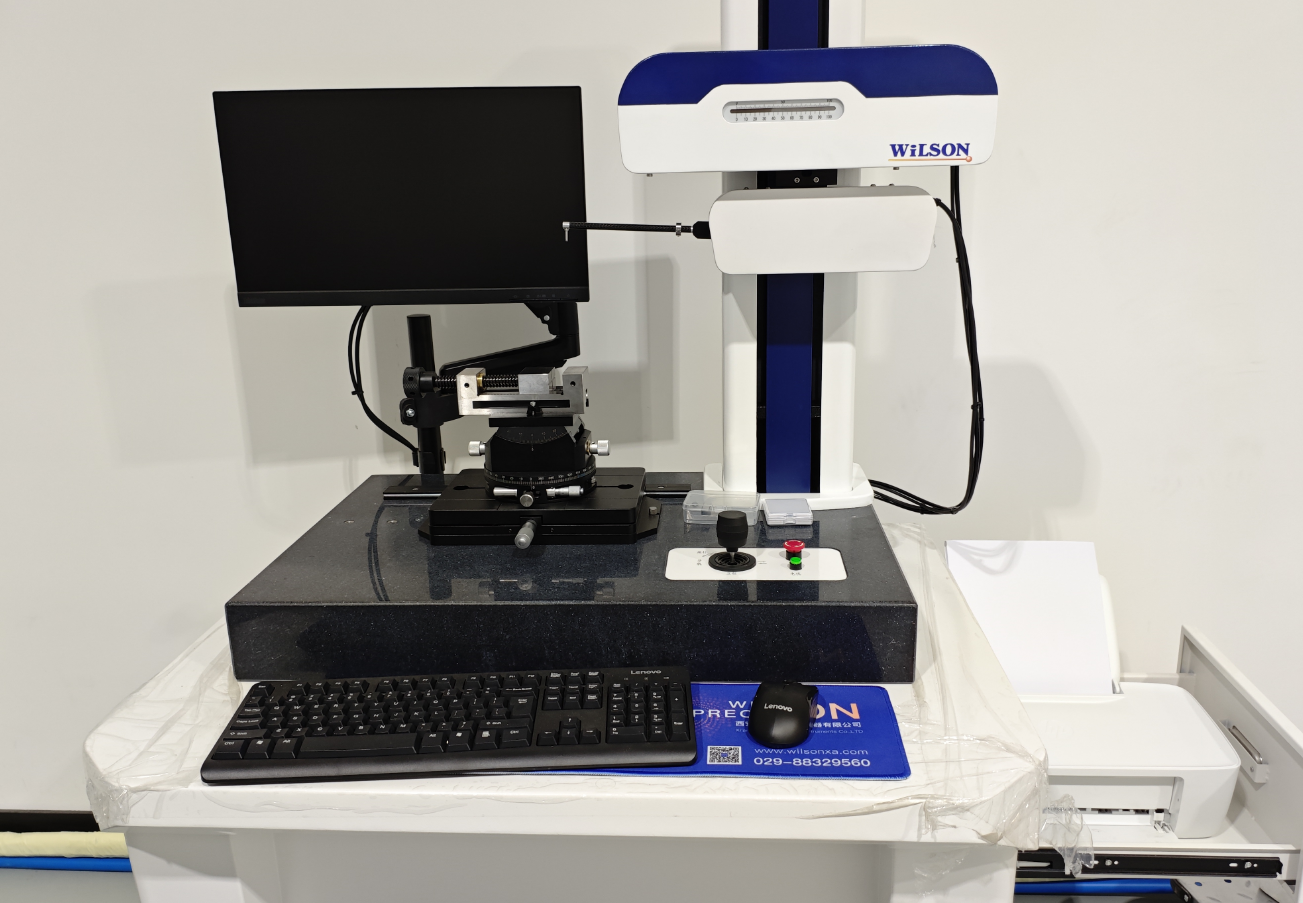
Profilometer

The profilometer is a precision instrument used to measure the surface roughness of objects. It detects the degree of surface micro-profile undulations through contact or non-contact methods (such as probes or optical sensors). Its core parameters include Ra (arithmetic mean roughness) and Rz (maximum height difference), among others. It is widely applied in fields such as mechanical processing, automobile manufacturing, and aerospace to ensure that workpiece surface quality meets standards. The device is easy to operate, with real-time data display or export for analysis, combining high precision and efficiency, making it an essential tool for industrial quality inspection and research and development.


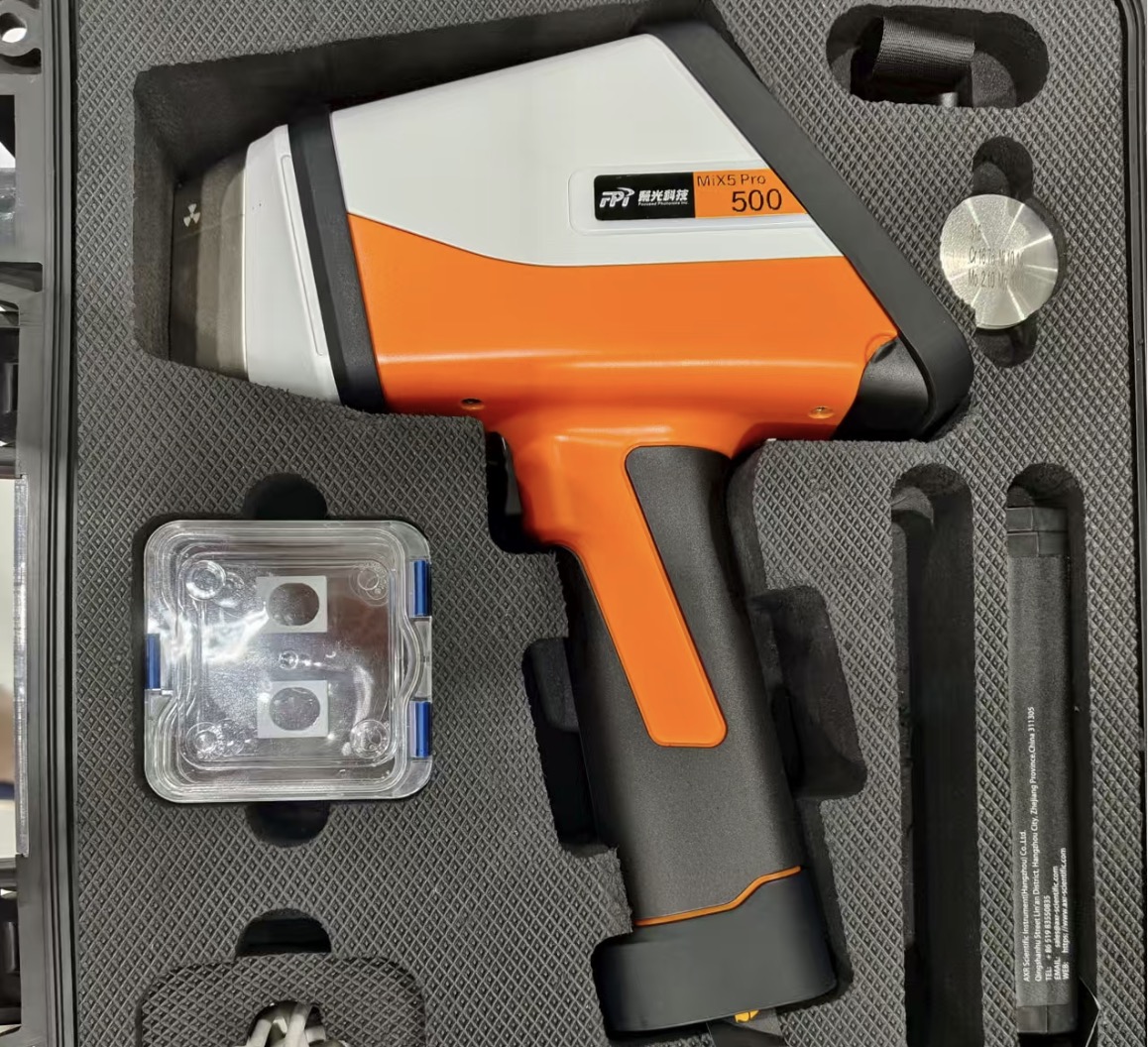
Handheld spectrometer

A handheld spectrometer is a portable analytical device that uses spectroscopic techniques such as XRF, LIBS, or Raman to quickly detect the elemental composition or molecular structure of substances. Its characteristics include:Portable and efficient: small in size and light in weight, suitable for real-time on-site testing, without the need for complex sample preparation.Accurate and fast: Output results within seconds, and some models can detect ppm level trace elements.Intelligent operation: equipped with touch screen and data analysis software, supporting data storage and sharing.


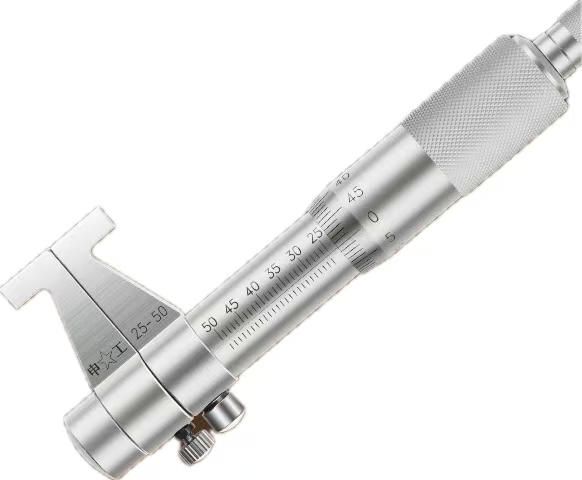
Inside Micrometer

A micrometer inside micrometer is a high-precision measuring tool designed to measure the internal dimensions of small apertures or narrow spaces, with a resolution of up to 1 micrometer (0.001mm). Its main body is made of hardened steel or tungsten carbide, including precision threaded measuring rod, differential cylinder, and fixed anvil. When in use, the measuring head is driven to contact the inner wall by rotating the sleeve, and high repeatability measurement is achieved by combining the scale line with the differential cylinder reading. The typical range is 5-30mm, equipped with temperature compensation function to reduce thermal expansion error. It is widely used in precision machining, mold manufacturing, and quality inspection fields. It needs to be regularly calibrated with standard environmental gauges to ensure measurement accuracy within ± 2 μ m.


Vertical dynamic balancing machine

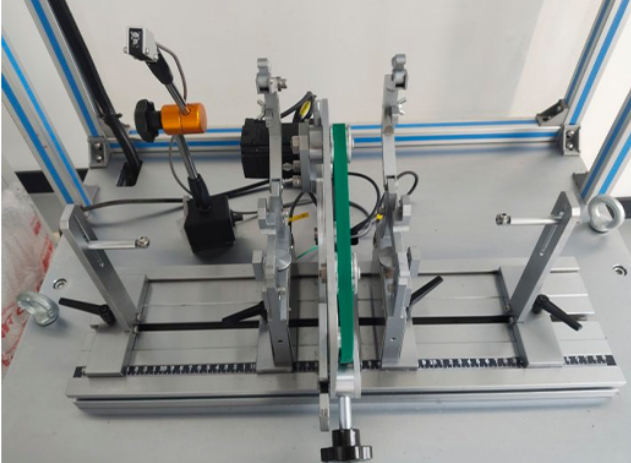
The impeller dynamic balancing machine is a precision equipment used to detect and correct the unbalance of rotating components such as impellers. Its working principle is to measure the centrifugal force generated by the rotation of the impeller through sensors, determine the position and size of the imbalance, and guide the user to achieve dynamic balance by adding or removing weight. This device is widely used in fields such as fans, water pumps, and turbomachinery, which can effectively reduce vibration and noise, extend equipment life, and improve operational stability. Modern dynamic balancing machines are usually equipped with intelligent display systems that support automatic calibration, data storage, and multiple balancing modes. They are easy to operate and have high precision, making them key equipment in industrial manufacturing and maintenance.


Outside micrometer

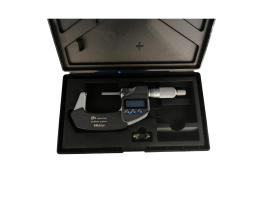
Digital micrometer is a high-precision measuring tool with a resolution of 0.001mm and a range of usually 0-25mm. It can be directly read through an electronic display screen to avoid the parallax problem of mechanical micrometers. Its core components are precision spiral micrometer mechanism and capacitance grid sensor. The built-in chip converts displacement signals into digital display, and some models have data output, metric to imperial conversion, and reset functions. Adopting tungsten carbide probe and hard alloy frame, it has oil and dust resistance, suitable for laboratory, precision machining and other fields. Attention should be paid to temperature effects and regular calibration during use. If not in use for a long time, the battery needs to be removed. Compared to mechanical micrometers, it has faster readings but relies on electricity, is more expensive, and is suitable for scenarios that require frequent and rapid measurements.


Digital calipers

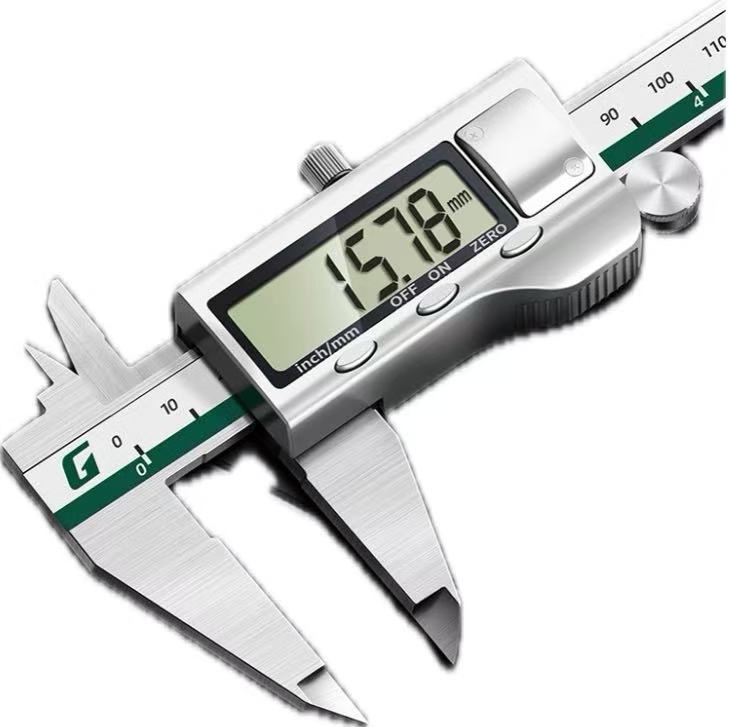
A digital caliper is a high-precision electronic measuring tool that directly displays dimensional data through a LCD screen, with an accuracy of up to 0.01mm. Its core component is a capacitive or grating sensor that converts displacement into a digital signal using changes in electrical signals. Compared to traditional calipers, it has functions such as intuitive reading, conversion between metric and imperial systems, and data retention. Some models support data output. When using, attention should be paid to preventing oil and magnetism, regularly replacing the battery, and avoiding severe impact to protect the sensor. Widely used in fields such as mechanical processing and mold manufacturing that require precise measurement, significantly improving measurement efficiency and accuracy.


Metallographic Microscope

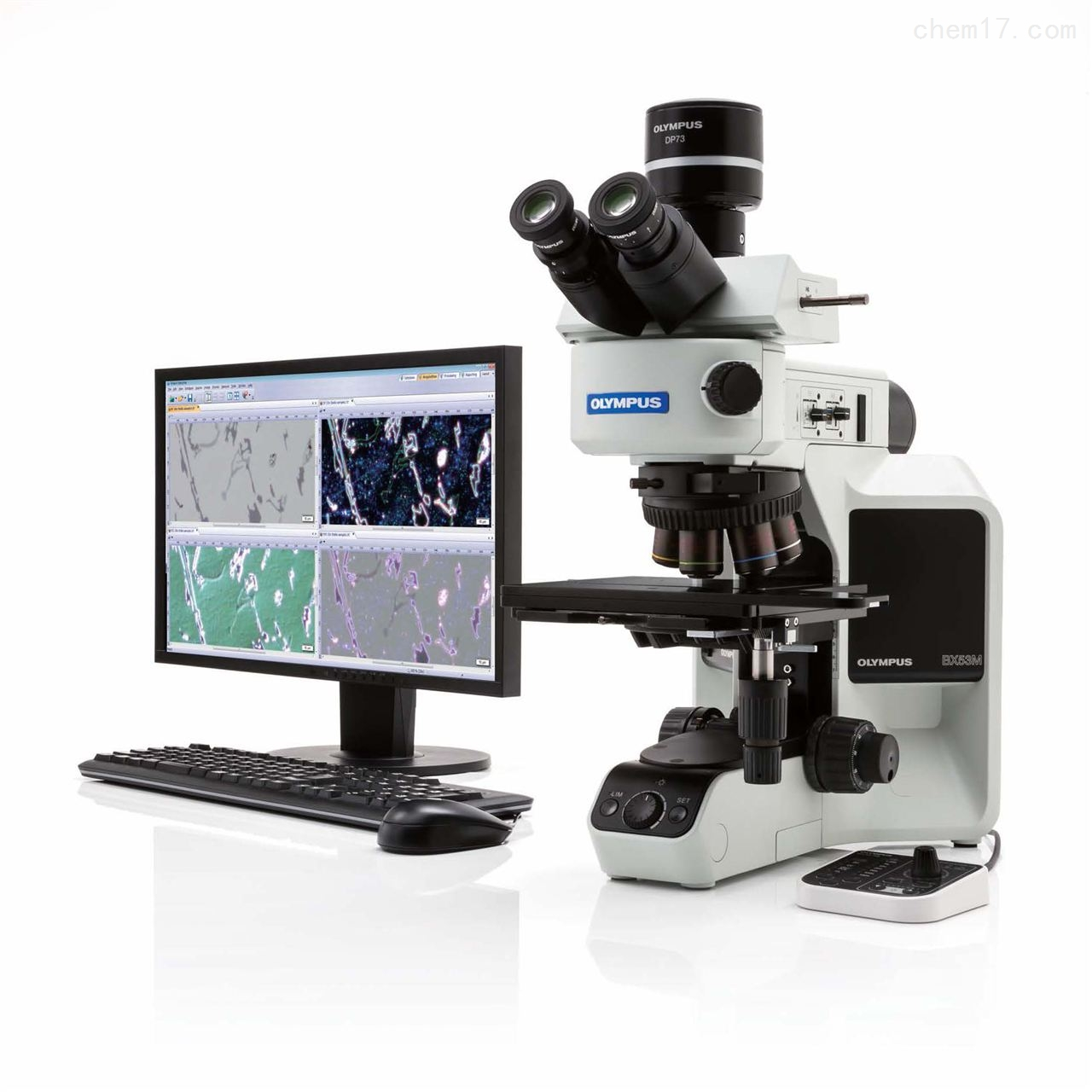
A metallographic microscope is a professional optical instrument used to observe the microstructure of metallic materials. Its core function involves two-stage magnification through the objective lens and eyepiece, clearly revealing the fine structures within the metal, such as grains, phase boundaries, and defects. The system comprises optical, mechanical, illumination, and image acquisition components. The objective lens determines the resolution, and when combined with different illumination methods (e.g., brightfield, darkfield), it can highlight specific structures.

Its key features include high resolution and versatile functionality, making it suitable for material analysis, quality inspection, and other applications. It is widely used in industries such as machinery and aerospace. When using the microscope, it is essential to select appropriate objective and eyepiece combinations, adjust the illumination and focus, and capture images for analysis after observation. Regular maintenance should include dust and moisture prevention, keeping the lenses clean, and ensuring long-term stable operation.